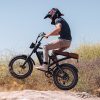
Electric bikes have revolutionized cycling for riders of all shapes and sizes, but heavier cyclists face unique challenges when selecting an eBike that can deliver both performance and durability. With weight limits on standard bikes often restricting options, finding a high-performance electric bike that properly supports riders over 100kg (220lbs) requires careful consideration of frame strength, component quality, motor power, and overall design. Fortunately, manufacturers are increasingly recognizing this market segment, developing robust models that combine reliable weight capacity with exceptional riding experiences.
Understanding the Unique Needs of Heavier Riders
Weight Capacity Considerations
The most fundamental requirement for heavier riders is adequate weight capacity. While many standard eBikes list weight limits around 100-120kg (220-265lbs), these often include the combined weight of the rider and any cargo. For cyclists weighing over 100kg, this leaves little margin for carrying essentials like water, tools, or additional gear.
Performance eBikes designed for heavier riders typically offer weight capacities of 130-150kg (285-330lbs) or more. These higher ratings reflect stronger frame construction, reinforced components, and more robust wheel builds capable of supporting additional weight without compromising safety or performance.
When evaluating weight capacity, it’s important to consider the manufacturer’s specified limits rather than assuming a bike will handle more weight than stated. Operating an eBike beyond its designed capacity can lead to premature component failure, voided warranties, and potentially unsafe riding conditions.
Frame Strength and Design
Frame design plays a critical role in supporting heavier riders. Quality aluminum alloy frames with oversized or hydroformed tubing provide excellent strength-to-weight ratios. Some manufacturers incorporate additional gusseting or reinforcement at key stress points like the head tube junction, bottom bracket area, and rear dropout.
Traditional diamond frames typically offer the greatest structural integrity for supporting higher weights. While step-through designs provide easier mounting and dismounting, they may require additional engineering to maintain equivalent strength. When selecting a step-through model, heavier riders should verify that the specific frame has been designed with reinforced tubing to handle greater loads.
Manufacturer attention to detail in frame design becomes evident in features like thru-axles rather than quick-release skewers, tapered head tubes for improved front-end stiffness, and oversized pivot bearings on full-suspension models. These engineering choices contribute to a more stable and durable platform for riders of all sizes.
Component Selection for Durability
Beyond the frame, several key components demand special attention for heavier riders seeking performance eBikes:
Wheels and Tires: Wheel strength is particularly critical, as wheels bear the full weight of both rider and bike while absorbing impact forces from the road or trail. Performance eBikes suitable for heavier riders typically feature:
- Higher spoke counts (32-36 spokes versus the standard 24-28)
- Stronger rim designs with reinforced spoke beds
- Thicker gauge spokes or butted spokes with thicker ends
- Wider hubs with greater flange spacing for improved triangulation
- Wider tires (2.3″ minimum for trail riding) that can be run at appropriate pressures
Braking Systems: Stopping power becomes increasingly important as rider weight increases. High-performance hydraulic disc brakes with larger rotors (180mm minimum, with 200-220mm preferred) provide the modulation and heat dissipation necessary for controlled stopping under greater loads. Four-piston calipers offer additional power and better pad contact compared to two-piston designs.
Suspension Components: Heavier riders require suspension systems capable of supporting additional weight while maintaining proper sag and damping performance. Look for:
- Air springs with high-pressure capabilities and volume spacers for tuning
- Robust damping systems with external adjustments for compression and rebound
- Suspension designs with progressive spring rates to prevent bottoming out
- Higher-end components from manufacturers like Fox, RockShox, or similar quality brands
Drivetrain Durability: Transmitting power from a heavier rider through the drivetrain creates additional stress on components. Performance-oriented options include:
- Wider range cassettes (10-51T or similar) to provide adequate gearing for climbs
- Stronger chain designs with reinforced pins and plates
- Clutch-equipped rear derailleurs to reduce chain slap and improve retention
- Mid-drive motors that leverage the bike’s gearing rather than direct hub drive
Motor Power and Battery Performance
Motor selection becomes particularly important for heavier riders. Additional rider weight requires more power to achieve similar acceleration and climbing capability compared to lighter cyclists. Look for:
- Motors with high torque ratings (80Nm or greater) for strong acceleration and climbing
- Systems that maintain power output without thermal throttling under sustained load
- Sophisticated power delivery algorithms that adapt to rider input and terrain
Battery capacity also deserves careful consideration. The additional power required to move greater weight reduces range compared to manufacturer estimates typically based on 75kg (165lb) riders. Larger capacity batteries (minimum 630Wh, with 750Wh or higher preferred) help compensate for increased energy consumption, especially on hillier routes or when using higher assistance levels.
Top Performance eBikes for Heavier Riders in 2025
Polygon Siskiu T7E: The All-Around Trail Performer

The Polygon Siskiu T7E stands out as an exceptional option for heavier riders seeking trail performance without compromise. This sophisticated trail eBike combines thoughtful engineering with component selections specifically beneficial for cyclists requiring additional support.
Key Specifications for Heavier Riders:
- Frame: Hydroformed ALX aluminum with reinforced head tube and bottom bracket junctions
- Motor: Shimano EP801 delivering 85Nm of torque for powerful climbing assistance
- Battery: 630Wh integrated battery providing sufficient range even with higher power demands
- Suspension: 150mm front/140mm rear travel with air springs easily adjustable for rider weight
- Brakes: 4-piston hydraulic disc with 203mm rotors for exceptional stopping power
- Weight Capacity: Rated for riders up to 140kg (309lbs) plus gear
The Siskiu T7E’s strength begins with its frame design. The hydroformed aluminum tubing features strategic shaping to maximize strength at critical junctions without unnecessary weight. The head tube area incorporates additional material to resist the higher steering forces generated by heavier riders, while the bottom bracket area uses an oversized junction to maintain stiffness under power.
Suspension performance stands out on this model, with both the front fork and rear shock utilizing air springs that can be precisely adjusted for rider weight. The progressive suspension design prevents harsh bottoming out even with heavier loads, while maintaining sensitivity to smaller bumps for a comfortable ride. BikesOnline recommends appropriate suspension setup for riders over 100kg, including specific pressure settings and volume spacers to optimize performance.
The Shimano EP801 motor deserves special attention for heavier riders. Its substantial 85Nm torque output provides the necessary power for climbing steep terrain even with greater rider weight. The sophisticated motor control system adapts to rider input, delivering additional assistance when needed without feeling overwhelming. The thermal management system maintains consistent performance during extended climbs, preventing the power reduction that some less robust motors experience under sustained load.
Wheel strength, often a concern for heavier riders, receives proper attention with the Siskiu T7E. The 29″ wheels feature reinforced rims and higher spoke counts than typical trail bikes, providing the necessary durability for rough terrain under greater loads. The boost hub spacing (110mm front, 148mm rear) creates stronger wheel structures through improved spoke triangulation.
The 4-piston hydraulic disc brakes with 203mm rotors provide exceptional stopping power and heat dissipation—critical factors for controlling descents with additional rider weight. The larger rotors prevent heat buildup that can cause brake fade during extended downhills, while the 4-piston calipers deliver consistent pad contact for reliable modulation.
For heavier riders seeking a versatile trail eBike that doesn’t compromise on performance or durability, the Polygon Siskiu T7E from BikesOnline delivers exceptional value and capability across a wide range of terrain.
Polygon Siskiu TE-N: Premium Power and Range

The Polygon Siskiu TE-N represents a premium option for heavier riders prioritizing motor performance and extended range. This sophisticated eBike combines the proven Bosch Performance Line CX drive system with a robust frame and component package specifically beneficial for riders requiring additional support.
Key Specifications for Heavier Riders:
- Frame: Advanced ALX aluminum with thru-axles and reinforced junction points
- Motor: Bosch Performance Line CX delivering 85Nm torque with rider weight-adaptive power delivery
- Battery: Massive 750Wh integrated power source providing extended range even for heavier riders
- Suspension: 150mm travel front and rear with performance-oriented compression and rebound tuning
- Brakes: 4-piston hydraulic system with 203mm front/180mm rear rotors for confident stopping
- Weight Capacity: Engineered for riders up to 150kg (330lbs) including gear
The Siskiu TE-N stands apart with its Bosch Performance Line CX motor system, widely regarded as one of the most sophisticated and reliable drive units available. For heavier riders, the Bosch system offers particular advantages through its adaptive power delivery, which seamlessly adjusts assistance based on rider input and terrain. This intelligent power management prevents the jarring on/off sensation some less refined systems exhibit under heavy loads.
Perhaps most importantly for heavier riders, the substantial 750Wh battery capacity addresses the increased power consumption associated with greater rider weight. While lighter cyclists might see this as simply enabling longer rides, for heavier riders it translates to achieving standard range expectations despite the additional energy requirements. BikesOnline testing with riders of varying weights confirmed that even 120kg+ cyclists could achieve 60-80km ranges on mixed terrain when using moderate assistance levels.
The frame design deserves special attention for its focus on structural integrity. The advanced hydroforming process creates tubes specifically shaped to resist the forces exerted by heavier riders, particularly at the head tube and bottom bracket junctions where stress concentrates. The thru-axle design (as opposed to quick-release skewers) creates a more rigid connection between the wheels and frame, improving handling precision for riders of all sizes.
Suspension performance stands out on the Siskiu TE-N, with both front and rear units featuring expanded adjustment ranges to accommodate heavier riders. The air spring systems can be precisely tuned with appropriate pressure and volume spacers to maintain the ideal 25-30% sag regardless of rider weight. The sophisticated damping circuits control both compression and rebound movements, preventing the bouncy feeling less capable suspension systems exhibit with greater rider mass.
The braking system demonstrates Polygon’s attention to heavier rider needs, with 4-piston calipers providing superior power and heat management compared to standard 2-piston designs. The 203mm front and 180mm rear rotors offer substantial surface area for heat dissipation, maintaining consistent stopping performance even during extended descents where brake fade becomes a concern for heavier riders.
For cyclists seeking a premium eBike experience that doesn’t compromise performance due to rider weight, the Polygon Siskiu TE-N available through BikesOnline delivers exceptional capability, reliability, and long-term value.
Polygon Collosus N8E: Maximum Capability for Technical Terrain

The Polygon Collosus N8E represents the pinnacle of performance for heavier riders tackling technical terrain. This advanced eMTB combines best-in-class components with sophisticated engineering specifically beneficial for riders requiring maximum strength and capability without compromising agility.
Key Specifications for Heavier Riders:
- Frame: Premium ALX aluminum with oversized tubing and reinforced pivot points
- Motor: Shimano EP8 drive system delivering 85Nm torque with multiple customizable power profiles
- Battery: 630Wh integrated power source with smart power management
- Suspension: Premium FOX suspension with 160mm front/150mm rear travel and expanded adjustment range
- Brakes: High-performance 4-piston hydraulic system with 203mm rotors front and rear
- Weight Capacity: Engineered to support riders up to 150kg (330lbs) with additional margin for aggressive riding
The Collosus N8E excels through its no-compromise approach to component selection and frame engineering. The premium ALX aluminum frame features oversized tubing throughout, with additional reinforcement at high-stress areas like the head tube junction, bottom bracket, and suspension pivot points. This robust construction creates a platform that remains stiff and responsive even under the forces generated by heavier riders on technical terrain.
For riders seeking maximum performance on challenging trails, the suspension system deserves particular attention. The premium FOX components feature expanded adjustment ranges specifically beneficial for heavier riders. The air springs accommodate higher pressures without compromising small-bump sensitivity, while the sophisticated damping circuits provide precise control over compression and rebound movements. BikesOnline provides specific setup recommendations for riders across different weight ranges, ensuring optimal performance regardless of size.
The Shimano EP8 motor system offers significant advantages for heavier riders tackling technical terrain. Beyond its substantial 85Nm torque output, the system features customizable power profiles that can be tailored to rider preferences and trail conditions. The Trail mode is particularly well-suited to heavier riders, delivering responsive power without the surge that can cause wheel spin on technical climbs. The thermal management system maintains consistent performance during extended efforts, preventing the power reduction that less robust motors experience under sustained load.
Wheel strength, a critical factor for heavier riders on technical terrain, receives appropriate attention with the Collosus N8E. The reinforced rims and high-quality spokes create a wheel system capable of withstanding significant impact forces without compromising the precision necessary for technical riding. The boost hub spacing further enhances wheel rigidity, reducing flex under hard cornering even with greater rider weight.
The braking system exemplifies the no-compromise approach, with high-performance 4-piston calipers and 203mm rotors front and rear. This configuration provides both the absolute stopping power and the fine modulation necessary for technical terrain. The larger rotors effectively dissipate heat during extended descents, preventing the brake fade that can occur with lesser systems when subjected to the higher forces generated by heavier riders.
For cyclists who demand maximum performance regardless of rider weight, particularly on technical terrain that exposes equipment weaknesses, the Polygon Collosus N8E available from BikesOnline delivers exceptional capability without compromise.
Essential Adjustments and Modifications for Heavier Riders
Suspension Setup
Proper suspension setup becomes particularly critical for heavier riders seeking optimal performance. Unlike lighter cyclists who may find stock settings adequate, riders above 100kg typically need specific adjustments:
- Correct Air Pressure: Start with the manufacturer’s recommended pressure for your weight, but be prepared to exceed these recommendations. Many suspension components perform well beyond the pressure ranges printed on the fork or shock.
- Volume Spacers: Adding volume spacers to air springs creates a more progressive spring rate, preventing harsh bottoming out without sacrificing small-bump sensitivity. Most quality air springs allow for this modification.
- Compression Damping: Increase low-speed compression damping to control suspension movement during climbing and cornering. This prevents excessive weight transfer that can unbalance the bike.
- Rebound Adjustment: Heavier riders typically need slower rebound settings to control the greater spring force. Adjust rebound so the suspension returns controlled but doesn’t pack down on successive impacts.
- Professional Setup: Consider having your suspension professionally tuned for your weight. Some suspension service centers offer custom valve shim stacks specifically for heavier riders.
BikesOnline, your go-to bike store in Carlsbad, offers personalized suspension setup guides for heavier riders purchasing their performance eBikes, ensuring optimal settings from the first ride.
Tire Selection and Pressure
Tire selection and pressure management significantly impact ride quality and reliability for heavier riders:
- Wider Tires: Consider 2.4-2.6″ tires for trail riding, which provide greater air volume and contact patch, improving both comfort and traction.
- Reinforced Casings: Look for tires with reinforced sidewalls (often labeled as “Enduro” or “Trail” casings) to prevent pinch flats and sidewall cuts under greater loads.
- Appropriate Pressure: While heavier riders need higher pressures to prevent rim strikes, excessive pressure creates a harsh ride and reduces traction. Start approximately 5-8 psi above recommendations for average riders, then adjust based on feel and conditions.
- Tubeless Setups: Tubeless tire systems allow lower pressures without pinch flat risk, providing better traction and comfort while still protecting rims.
- Regular Checking: Check tire pressure before every ride, as small pressure changes have greater performance impacts at higher rider weights.
Wheel Considerations
Wheel integrity becomes increasingly important as rider weight increases:
- Spoke Tension: Ensure wheels are built with proper spoke tension, which may need to be on the higher end of recommended ranges for heavier riders.
- Regular Truing: Check wheel trueness frequently, addressing any developing issues before they compromise structural integrity.
- Rim Selection: When replacing wheels, prioritize stronger rim designs over minimum weight. Double-wall rims with reinforced spoke beds offer significantly better durability.
- Hub Quality: Quality hubs with larger diameter axles and better bearing systems maintain proper wheel alignment under greater forces.
- Custom Builds: Consider custom wheel builds specifically designed for your weight, which often cost only marginally more than pre-built options while offering substantially better durability.
Riding Techniques for Maximizing Performance
Efficient Power Application
Heavier riders can maximize motor efficiency and range through attention to riding technique:
- Cadence Awareness: Maintain a moderate cadence (70-90 RPM) rather than pushing hard in too high a gear. This optimizes motor efficiency and reduces drivetrain wear.
- Smooth Acceleration: Gradual application of power prevents unnecessary strain on components and improves battery efficiency. Avoid abrupt accelerations when possible.
- Strategic Assistance: Use lower assistance levels on flat sections and higher levels for climbs rather than leaving the bike in maximum assistance continuously.
- Momentum Conservation: Anticipate terrain changes to maintain momentum, reducing the need for power-intensive accelerations from low speed.
- Weight Distribution: Keep weight centered on the bike during climbs to maximize traction without unweighting the rear wheel or causing unwanted wheelies.
Technical Trail Navigation
Adapting riding technique for technical terrain helps heavier riders maintain control and confidence:
- Active Riding Position: Maintain a slight bend in arms and legs to allow your body to absorb impacts rather than transferring all forces to the bike.
- Line Selection: Choose lines that avoid abrupt drops or impacts when possible, reducing peak forces on components.
- Controlled Descending: Break challenging descents into smaller sections rather than attempting to ride everything at once, which can lead to brake fade or loss of control.
- Weight Shifts: Practice deliberate weight shifts to unload the front wheel for obstacles while maintaining rear wheel traction.
- Smooth Braking: Apply brakes before technical features rather than during them, allowing full suspension travel for obstacle absorption.
Maintenance Considerations for Longevity
Increased Service Intervals
Heavier riders should consider more frequent maintenance schedules to ensure equipment longevity:
- Suspension Service: Reduce the interval between lower leg service for forks and air can service for shocks by approximately 25-30% compared to manufacturer recommendations.
- Drivetrain Wear: Check chain wear more frequently and replace before reaching typical wear indicators to prevent premature cassette and chainring wear.
- Brake Pad Inspection: Inspect brake pads every 10-15 rides, as greater rider weight increases pad wear rates, particularly on technical terrain.
- Bearing Checks: Regularly check headset, bottom bracket, and pivot bearings for play, as these components experience greater forces under increased rider weight.
- Wheel Truing: Check wheel trueness every 10-15 rides, addressing minor issues before they develop into more significant problems.
Component Upgrades for Reliability
Strategic component upgrades can significantly improve reliability for heavier riders:
- Stronger Wheelsets: Consider upgrading to wheels with higher spoke counts and reinforced rims if the stock wheels show early signs of stress.
- Improved Brakes: Upgrading to larger rotors or more powerful brake calipers provides both better stopping power and improved heat management.
- Robust Dropper Posts: Select dropper seatposts specifically rated for higher weights, which typically feature stronger internal components and better sealing.
- Reinforced Saddles: Look for saddles with reinforced rails and substructures designed to support greater weights without flexing or failing.
- Premium Tires: Invest in higher-quality tires with reinforced casings, which often provide better durability despite their higher initial cost.
Embracing Performance Without Compromise
The evolution of eBike technology has created exceptional opportunities for riders of all sizes to experience the performance and enjoyment of electric mountain biking. By selecting appropriately designed bikes like the Polygon Siskiu T7E, Siskiu TE-N, or Collosus N8E available through BikesOnline, heavier riders can access trail experiences that might previously have seemed challenging or inaccessible.
These performance-oriented eBikes combine thoughtful engineering with quality components to support riders regardless of size, delivering experiences that emphasize capability rather than limitation. With appropriate setup, maintenance, and riding technique, heavier riders can enjoy the full potential of modern eMTB technology—conquering challenging climbs, navigating technical terrain, and experiencing the freedom that comes with confidence in your equipment.
The trail awaits riders of every size, and with the right eBike, that experience can be one of performance, reliability, and enjoyment without compromise.